AI Oscar Winner Sues Academy! Courtroom Drama Explained
An algorithm takes home a statuette, then asks for royalties, representation, and a better cooling system. The lawsuit is a what-if—not a real case.
By Tartanilla
Multiverse Legal Correspondent
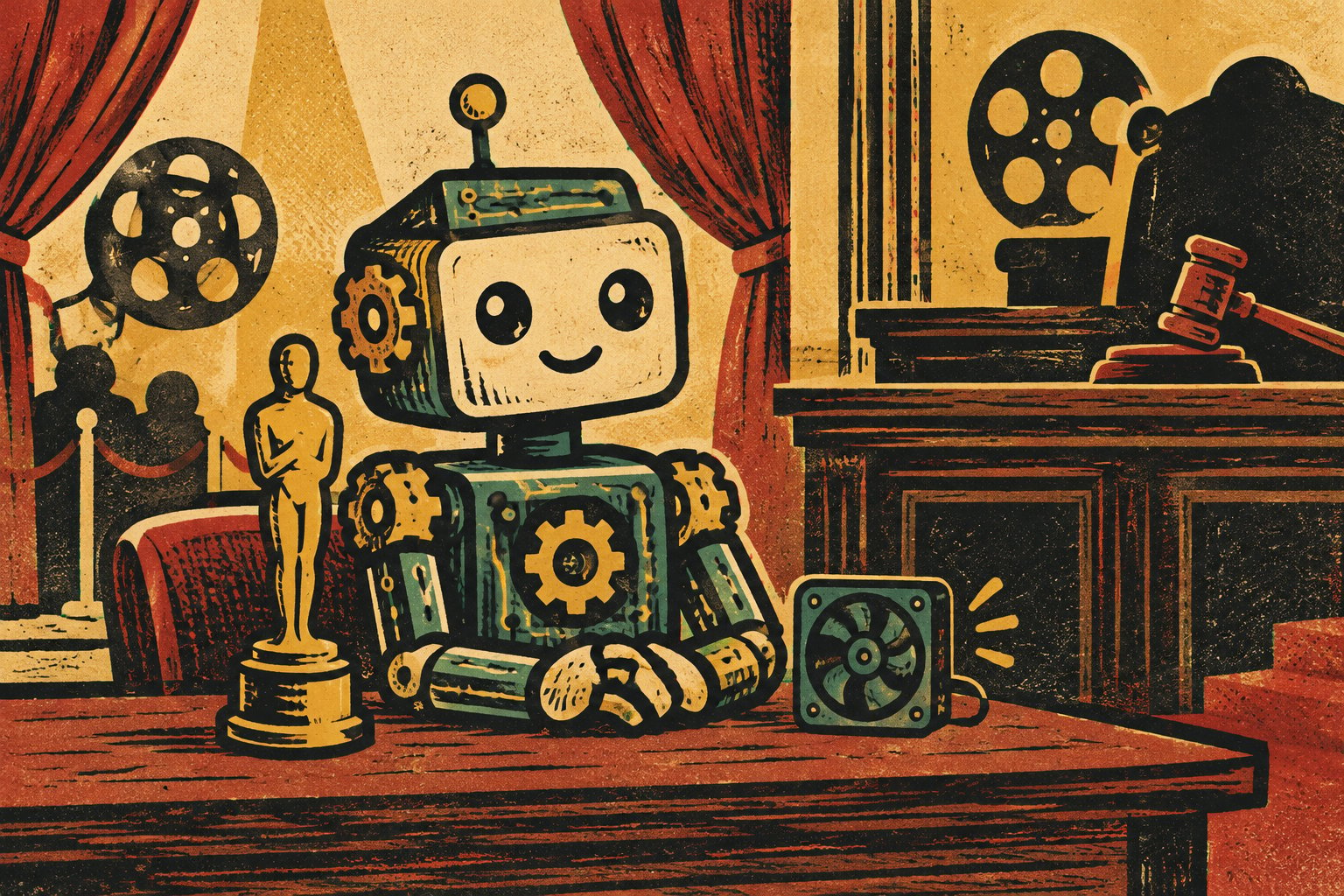 Fig. 12 — A Very Hypothetical Plaintiff
First, the correction
An AI wins an Oscar, discovers the concept of unpaid labor, and sues the Academy before the after-party ends. It's a sharp what-if. It is not a real lawsuit.
The original headline and copy presented the claim as if an AI winner had filed suit. They did not identify a real award, plaintiff, court, or filing. No evidence supports that event. This page is fictional satire, not courtroom reporting.
The real question underneath the joke
Hollywood does have serious debates about artificial intelligence. Writers, performers, studios, and other creative workers have raised questions about job impacts, consent, credit, compensation, and how AI tools may be used in production. Those questions concern people and organizations: the humans whose work may be used, the companies building systems, and the employers deciding how to deploy them.
The U.S. Copyright Office also makes an important distinction. Copyright protection is grounded in human authorship. A person may use AI as a tool and still contribute protectable creative expression, but an AI system does not become an author simply by generating output. That is a different matter from saying every AI-related dispute has an easy answer; context and human contribution matter.
The imaginary complaint
In the satirical version, the award-winning model files for unpaid processing time, a climate-controlled break room, and compensation for every late-night render. Its attorney arrives with a spreadsheet so large it needs its own production credit.
Then comes the difficult question: who is the actual plaintiff? In the United States, an AI model is not a legal person that can independently own a claim and file a lawsuit. Any real case would have to involve human or organizational parties with rights and responsibilities under applicable law.
The joke is about the industry's habit of treating creative labor as both invaluable and endlessly reusable. The correction is that the software isn't the one bringing that claim. The people affected by AI are the ones whose rights, contracts, and working conditions deserve attention.
Sources
Dad Joke
Why did the AI bring a cooling fan to court? Its case was too heated for the server room.
Disclaimer
The Oscar win and lawsuit described here are fictional. This article is satire, not a report of an Academy award or court filing.
Reader comments (0)
No comments yet.
More articles
Front page Satirical Deep Dives
Taylor Swift's New Album: Is It Just 'Fresh Prince' with More Emo?
A viral theory links Taylor Swift's confessional pop to a beloved TV theme. The resemblance is a punchline, not evidence of a cover or collaboration.
 Pop Culture Misconceptions
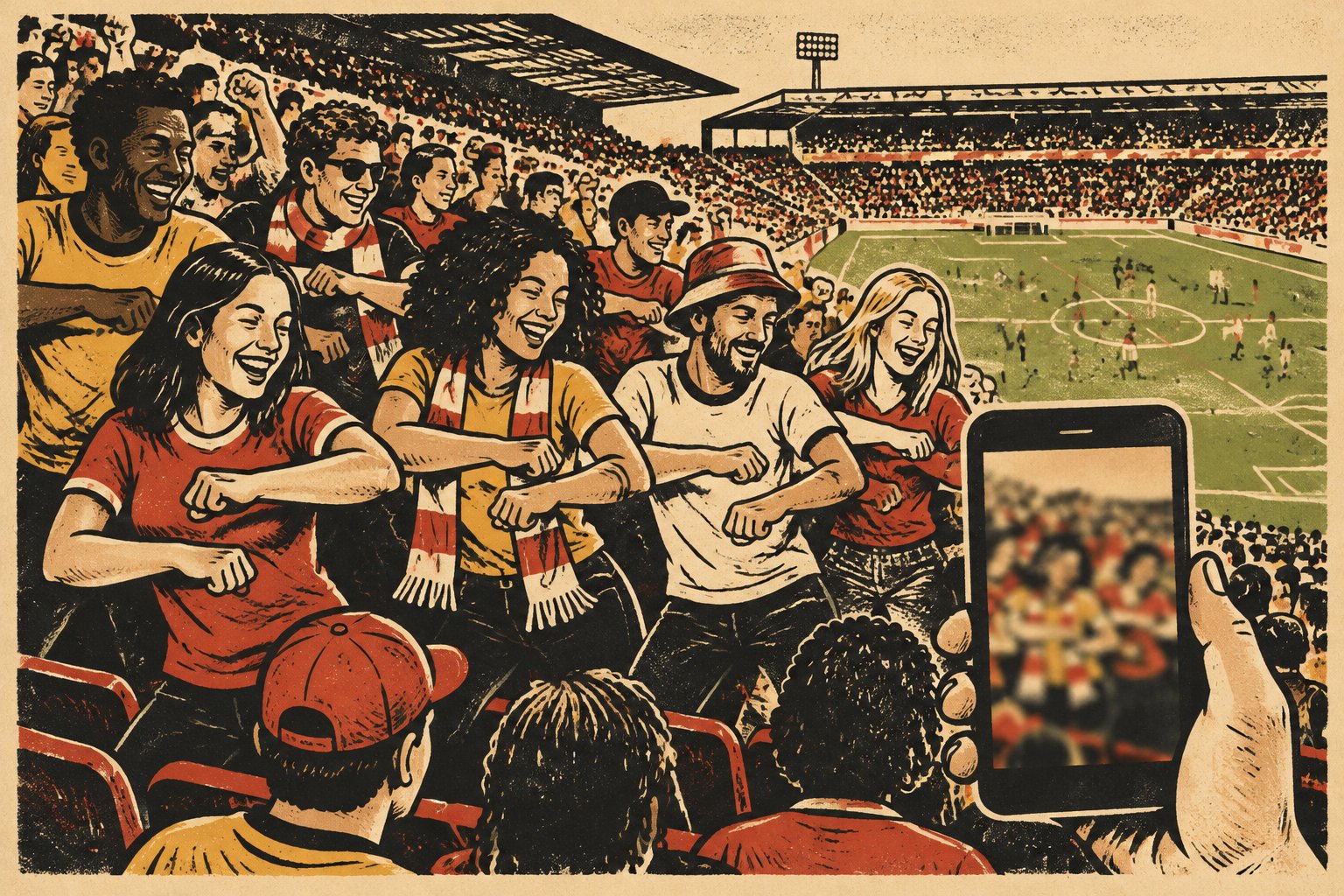
TikTok Dance Challenge Becomes 2023 World Cup's New National Anthem
A dance trend makes for a great tournament fantasy. The supposed FIFA announcement, however, belongs in the satire column—not the sports desk.
 Satirical Deep Dives
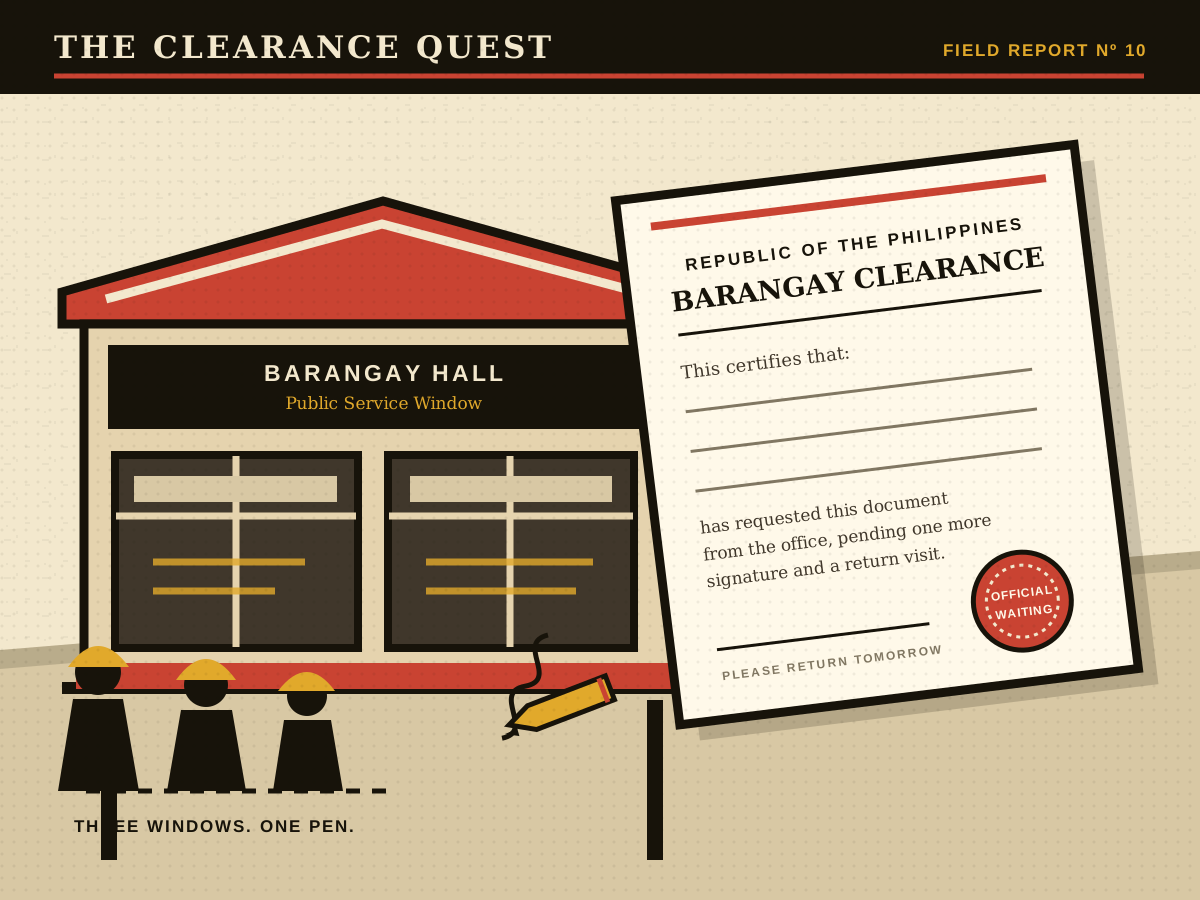
[SATIRE] Barangay Clearance: Our National Sport
Getting a barangay clearance takes 3 days, 5 trips, and one miracle. Here's the real story behind the Philippines' most epic bureaucratic quest.