The 'Probinsyano' Myth: What You Think vs. What's True
Filipinos from the province are not all poor, simple, or unsophisticated. Here's where the stereotype came from and why it needs to retire.
By Tartanilla

The Misconception (And Why It's Popular)
Ask someone in Metro Manila to describe a "probinsyano" and you'll hear similar things. Simple lifestyle. Slow speech. Confused by city life. Wearing tsinelas to a mall. Amazed by escalators.
This picture shows up in Filipino TV shows and movies all the time. The probinsyano character is usually naive, uneducated, or comically out of place in the city. This gets laughs. But it also gets repeated until it feels true.
Where It Came From
The stereotype has roots in colonial-era thinking. Spanish colonizers divided the country into Manila and the provinces. Manila was "civilized." The provinces were rural and backwards. This divide stuck around in how Filipinos saw each other.
Philippine media made it worse. Decades of teleseryes and comedy films showed the probinsyano as a fish out of water. The character exists to be laughed at — or to "improve" once they reach the city. The message, even when unintentional: the city is better, and so are city people.
[SOURCE: Hau, C.S. — On the Subject of the Nation: Filipino Writings from the Margins, 1981 to 2004: https://ateneo.edu/publications/on-the-subject-of-the-nation] [SOURCE: verify before publishing]
The Reality
The Philippines has 82 provinces. Many of them produce the country's food, power, and exports. Agricultural provinces feed Metro Manila. Mining regions power the country's energy needs. Provinces like Pampanga, Cebu, and Davao have thriving economies of their own.
Students from provinces often attend some of the country's top schools. UP Visayas, MSU-IIT, and Ateneo de Davao regularly produce graduates who lead in medicine, law, and business. The idea that education and intelligence stay in Metro Manila is simply not true.
Research from the Philippine Statistics Authority shows that poverty rates vary widely by region — and some Metro Manila areas rank just as poorly as rural provinces. "Province" does not automatically mean poor.
The OFW economy tells another story, too. Many OFWs come from provinces. They send remittances that keep whole towns running. They are often the most globally experienced Filipinos — having lived and worked in the Middle East, Asia, and Europe.
[SOURCE: Philippine Statistics Authority — Poverty Incidence Among Filipinos by Region, 2023: https://psa.gov.ph/poverty-press-releases] [SOURCE: verify before publishing]
Why It Matters
Stereotypes like this have real costs. Employers from the city have passed over qualified candidates because of a provincial accent. Students feel ashamed of where they come from. Young people from the province feel they need to erase their origins to be taken seriously.
The joke is only harmless if you are not the one being laughed at.
Dad Joke
Dad Joke: Why did the probinsyano bring a ladder to Manila?
Because everyone told him the opportunities were on a higher floor.
Sources
- PSA — Poverty Statistics by Region [SOURCE: verify before publishing]
- Commission on Higher Education — Regional Higher Education Institutions Data [SOURCE: verify before publishing]
- Hau, C.S. — On the Subject of the Nation (Ateneo Press) [SOURCE: verify before publishing]
Reader comments (0)
No comments yet.
More articles
Front page What If?
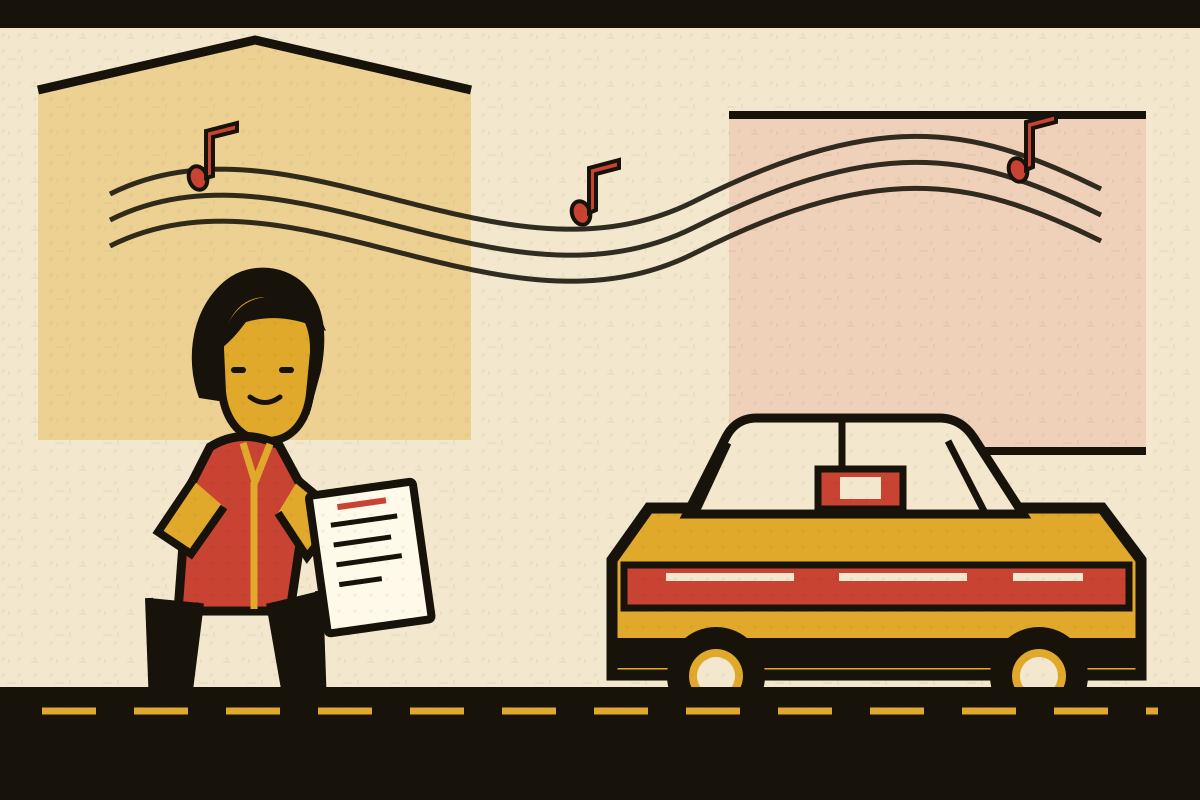
AI Oscar Winner Sues Academy! Courtroom Drama Explained
An algorithm takes home a statuette, then asks for royalties, representation, and a better cooling system. The lawsuit is a what-if—not a real case.
 Satirical Deep Dives
Taylor Swift's New Album: Is It Just 'Fresh Prince' with More Emo?
A viral theory links Taylor Swift's confessional pop to a beloved TV theme. The resemblance is a punchline, not evidence of a cover or collaboration.
 Pop Culture Misconceptions
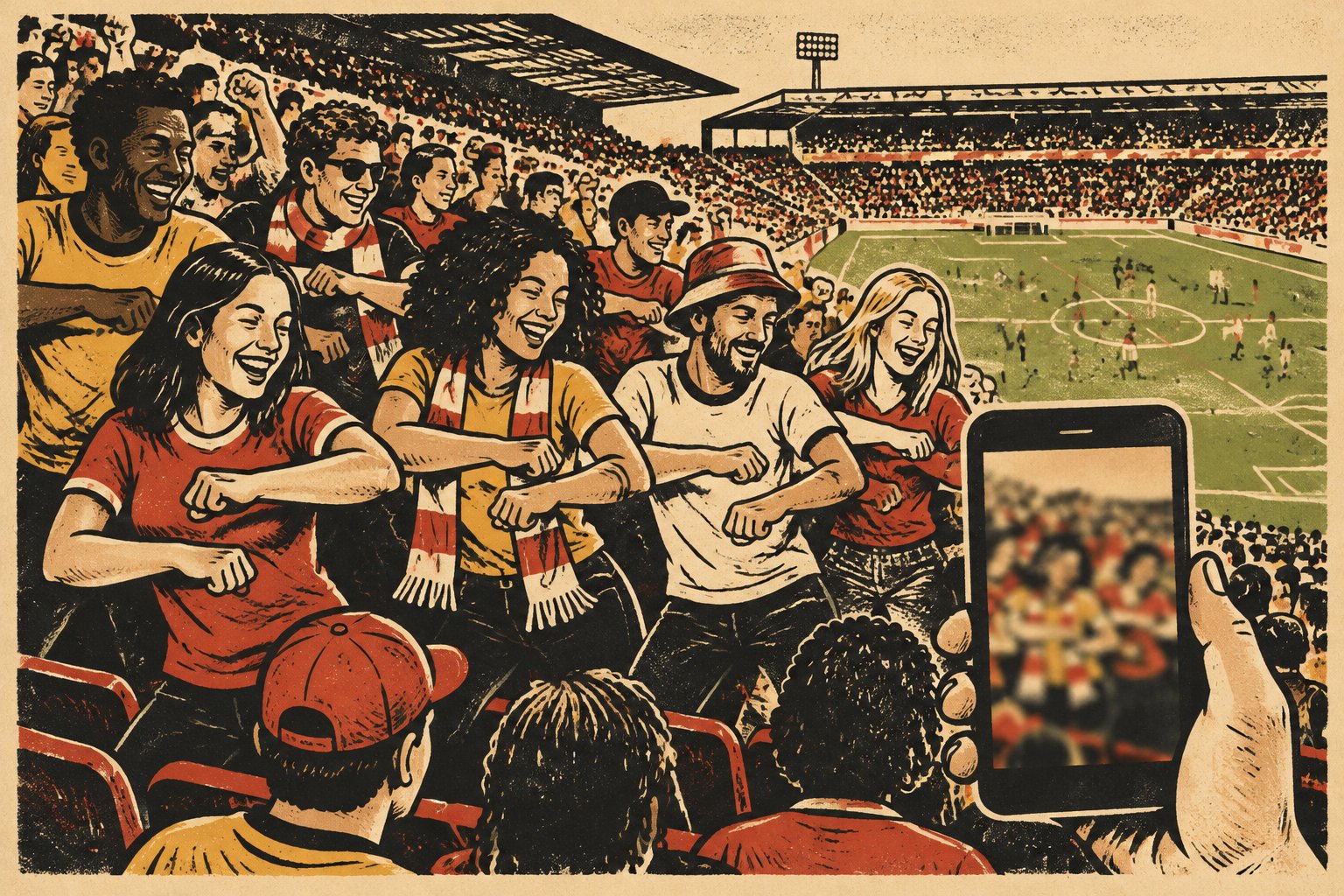
TikTok Dance Challenge Becomes 2023 World Cup's New National Anthem
A dance trend makes for a great tournament fantasy. The supposed FIFA announcement, however, belongs in the satire column—not the sports desk.